
Why "Just Playing" Is Actually Your Child's Best Work
Ask any child what they did today and "I just played" is usually the answer. But peek a little closer, and that "just" is doing a lot of heavy lifting. A living room turned into a bakery. A wooden crate that's suddenly a pirate ship. A tea party where the birds are the guests of honour. That's not filler time between screens — that's a child building the skills they'll use for the rest of their life.
Here's the good news: you don't need a Pinterest-perfect playroom to make it happen. A few well-chosen toys, a bit of open space, and a little less scheduling can go a long way.
Why Screen-Free, Open-Ended Play Matters
Structured apps and shows can be entertaining, but they tend to do the imagining for the child. Open-ended play — the kind with no fixed rules or "right way" to do it — asks kids to fill in the blanks themselves. That's where the real growth happens:
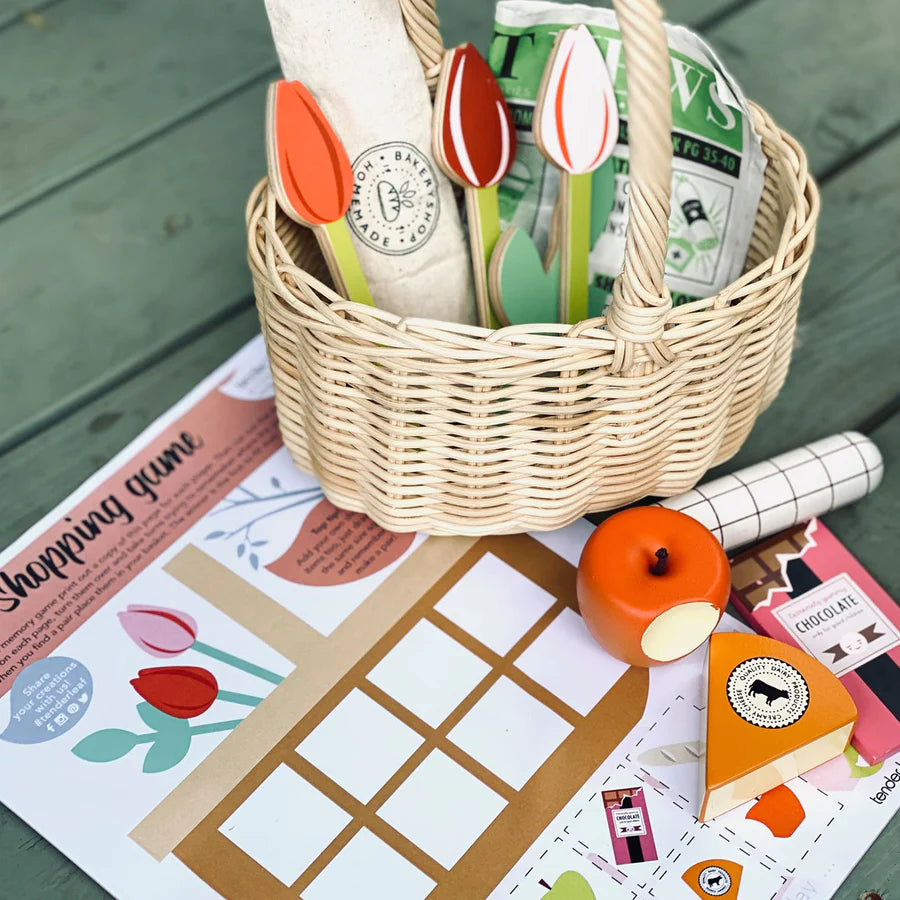
- Problem-solving — figuring out how the wooden blocks balance, or why the toy till drawer keeps sticking, builds patience and persistence.
- Language and storytelling — narrating a pretend tea party or grocery run stretches vocabulary far more than passive watching.
- Emotional regulation — play-acting big feelings (a grumpy customer, a scared explorer) gives kids a safe way to practice handling them.
- Fine and gross motor skills — stacking, sorting, pouring, and balancing all sneak in physical development without it ever feeling like "practice."
None of this requires a lesson plan. It just needs the right invitation.
Set the Scene, Then Step Back
The best imaginative play often starts with a nudge, not a script. A few ideas that work well at home:
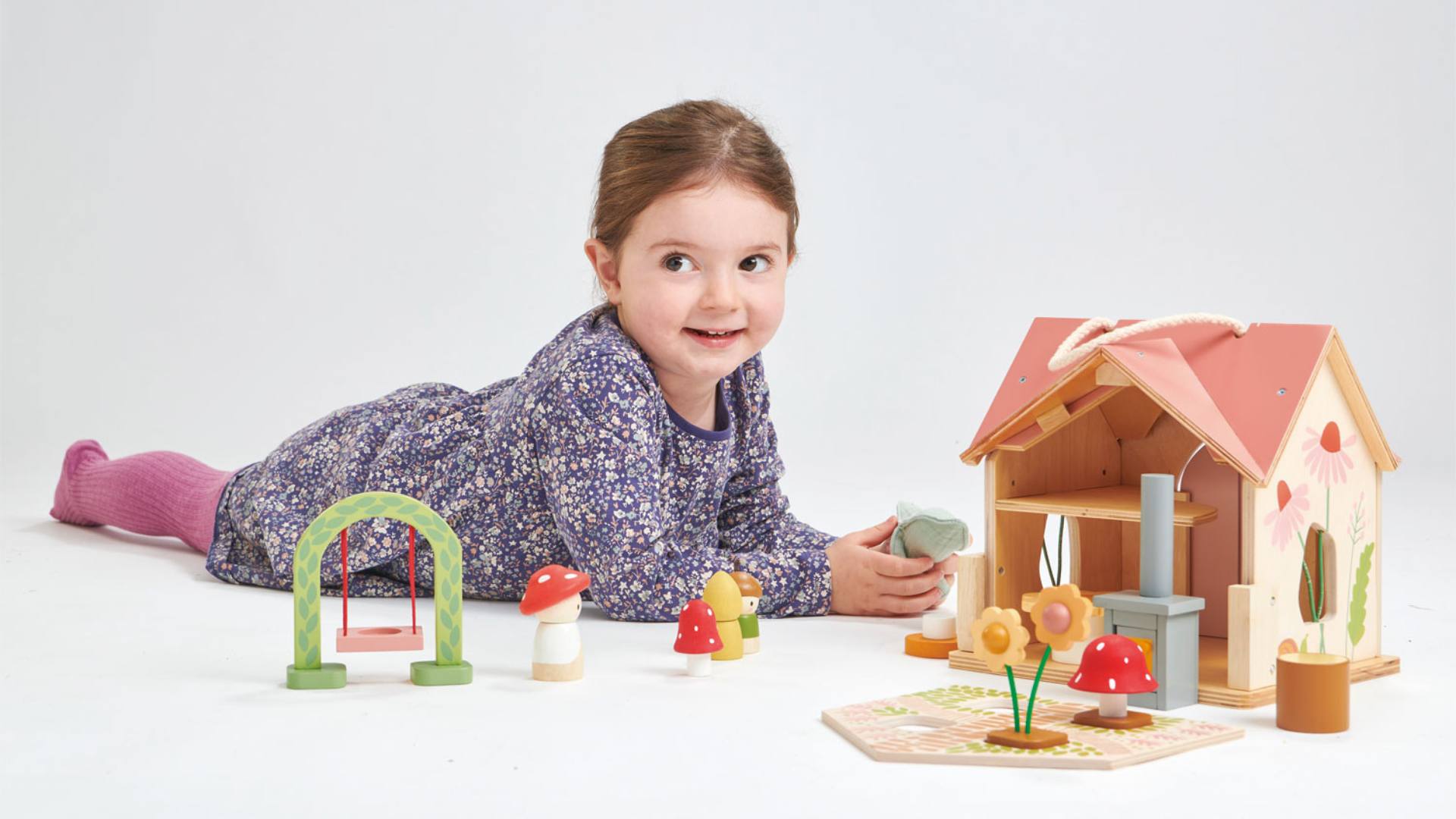
1. Build a "small world" corner. A wooden dollhouse, a play kitchen, or a set of animal figures on a rug is all it takes to create a world kids can return to again and again. The magic isn't in how elaborate it looks — it's in how open it is to reinterpretation. Today it's a family breakfast. Tomorrow it's a rescue mission.
2. Bring the outdoors in (or the indoors out). Rotate a few toys between the living room and the garden or balcony. New light, new textures, new "rules" for the same toy can refresh play without buying anything new.
3. Let boredom do some of the work. It feels counterintuitive, but a slower afternoon with nothing scheduled is often when the best pretend play shows up. Resist the urge to fill every gap — a beat of "I'm bored" is frequently the on-ramp to an hour of imaginative play.
4. Choose toys that don't tell kids what to do. Toys with a single "correct" way to play tend to get set aside quickly. Open-ended pieces — wooden play sets, building blocks, sorting and stacking toys — invite a child to decide the story, which is exactly why they hold attention (and get reinvented) for years, not weeks.
Screen-Free Doesn't Mean Effort-Free — But It Can Be Simple
You don't need to overhaul your evenings to make this stick. Keep a small rotation of well-made, versatile toys within easy reach, let your child lead the "plot," and resist jumping in to fix or direct too quickly. Some of the best moments come from stepping back and just watching what they build.
And if you're looking for a place to start, sustainably made wooden play sets and hands-on learning toys — the kind built to be reimagined a hundred different ways — are a natural fit for exactly this kind of screen-free, open-ended play.
What's your child's current favourite make-believe world? We'd love to hear about it — tag us and show us how play looks in your home.